
At BrightSpot Labs, we’re committed to empowering students to thrive by providing parents with effective strategies for supporting learning at home. By implementing these tips, you can reinforce classroom lessons and create a productive and engaging learning environment for your child.
Table of Contents
Why Supporting Learning at Home Matters
Supporting learning at home creates a consistent environment that promotes both academic and emotional growth. By aligning home-based learning with what’s happening in the classroom, you can:
- Reinforce critical concepts and skills.
- Keep your child motivated and engaged.
- Build habits that promote independent learning.
Research from the National Education Association (NEA) shows that children who receive consistent support from parents and guardians outside of school are more likely to achieve higher academic performance and exhibit positive behavior in class. By being actively involved in your child’s learning at home, you are laying a foundation for long-term success.
Practical Tips for Supporting Learning at Home
We understand that supporting learning at home comes with its own set of challenges, especially when juggling multiple responsibilities or when space and resources are limited. The following tips are designed to be flexible and adaptable to suit your family’s unique situation. While some of these strategies may seem difficult to implement, we encourage you to give them a try and adjust as needed. Remember, what worked in the past may not always work for the present, and that’s perfectly normal. Learning environments and motivations change, and sometimes finding new ways to support your child’s learning is key.
Here are five effective strategies for supporting learning at home:
1. Create a Structured Homework Routine
Establishing a regular time and place for homework helps create consistency and focus. Make sure the space is quiet, free from distractions, and equipped with necessary supplies. This routine emphasizes that homework time is important and helps your child develop a sense of accountability.
What If You Don’t Have a Quiet Space?
Not every home has the luxury of a quiet, dedicated study area. Research suggests that creating even small, defined spaces within shared areas can be effective. Use tools like noise-canceling headphones, visual dividers, or “Learning in Progress” signs to help your child focus. Establish a consistent routine where you use the same space, like a particular spot at the kitchen table, which helps build the habit of concentration over time.
2. Incorporate Real-World Examples into Everyday Activities
Supporting learning at home doesn’t have to mimic a traditional classroom. In fact, studies from the National Research Council indicate that children retain information better when they connect concepts to their daily lives. Here’s how you can incorporate learning for different age levels:
Elementary School
For young children, hands-on, visual activities work best. Use everyday routines as learning opportunities:
- Math: Ask your child to count items while grocery shopping or calculate prices (e.g., “If each banana costs 20 cents, how much will we pay for 5?”).
- Science: Explore nature together and ask questions like, “Why do you think this plant grows in the shade?”
Research shows that using real-life contexts helps younger children develop early math and literacy skills faster than using abstract numbers and letters alone.

Middle School
Middle schoolers benefit from critical thinking activities tied to their daily experiences:
- Social Studies: Engage them in discussions about current events, asking how they think these events impact your community – including their school community.
- Budgeting Exercise: Have them help plan a small event (like a family movie night) within a budget. Let them decide how much to allocate for snacks, tickets, and transportation.
A study by the Harvard Graduate School of Education found that middle school students who engage in real-world problem-solving activities develop critical thinking and decision-making skills essential for future academic success.
High School
For high school students, the focus should be on independent learning and deeper critical thinking:
- Civics: Encourage your teen to write to a local official about an issue they care about, linking it back to their civics or government lessons.
- Career Exploration: If they’re interested in a career, help them set up informational interviews or shadow professionals. This real-world exposure provides invaluable learning experiences beyond textbooks.
Research from the National Center for Education Statistics (NCES) highlights that high school students engaged in practical, real-world learning activities show improved academic performance and career readiness.
3. Make Reading a Daily Habit
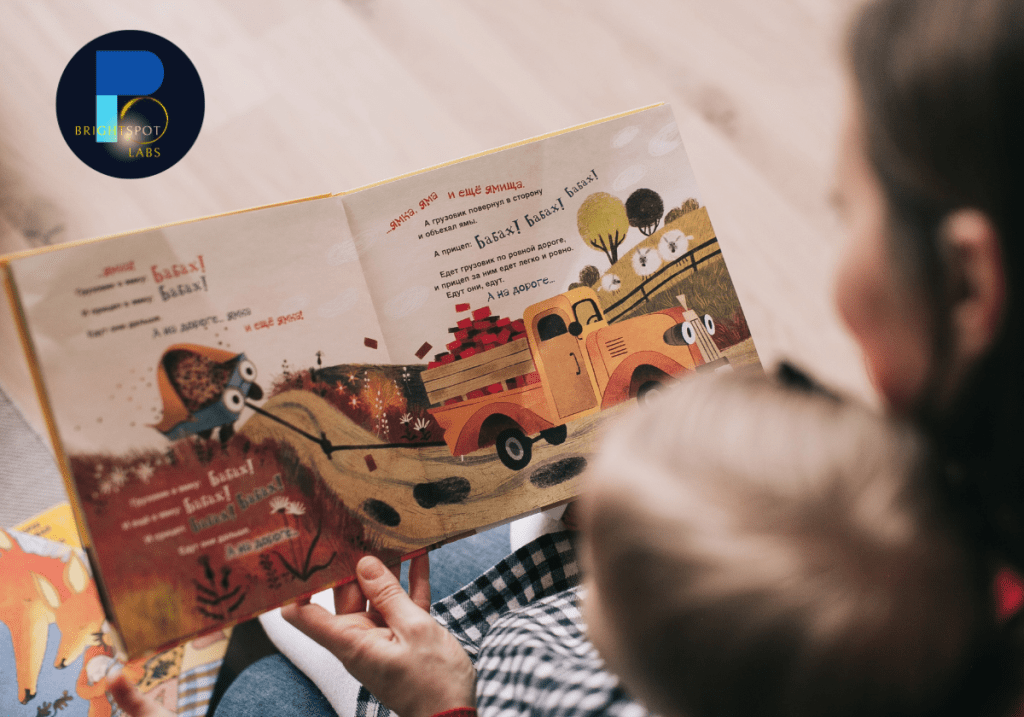
Reading is fundamental to all learning. Research from the National Literacy Trust shows that daily reading is linked to higher academic achievement and stronger language skills.
Here’s how to make reading a habit:
- Set a Routine: Dedicate a consistent time for reading, such as before bed or after dinner. This creates predictability and makes reading a daily expectation.
- Engage Through Discussion: Ask open-ended questions like, “What do you think will happen next?” to develop critical thinking and comprehension skills.
Tip: Choose books that align with classroom topics or your child’s personal interests to enhance engagement. Some examples include:
- Elementary: Picture or chapter books on science and social studies topics.
- Middle School: Historical fiction for social studies.
- High School: Non-fiction books related to future career interests.

Reading time at home doesn’t always go as planned.
You might find your child reading upside down or pretending the book is a spaceship.
Embrace it—ask them,
‘What’s it like reading in outer space?’
It’s a fun way to keep them engaged!
4. Promote Independent Learning with Educational Apps
Educational apps are a powerful tool for supporting learning at home. Research from the Pew Research Center shows that apps like Khan Academy, Duolingo, and IXL enhance learning by allowing children to work at their own pace.
How to Use Apps Effectively:
- Schedule Short Sessions: Limit screen time to 15-30 minute sessions for focused learning.
- Follow-Up Discussions: Ask your child what they learned to reinforce the material.
What If You Don’t Have Access to Devices?
- Rotate Usage: Create a schedule for shared devices.
- Utilize Libraries: Many libraries provide free access to educational technology.
5. Align Home Learning with Classroom Lessons
Staying connected with your child’s teacher is essential to ensure that home activities align with classroom lessons. By creating a bridge between what’s being taught at school and what’s practiced at home, you help reinforce critical skills and foster a consistent learning environment that supports academic growth. Here’s how you can effectively align home learning with classroom lessons:
Ask for Homework Tips: Get suggestions from the teacher to complement classroom learning.
Request Reading Lists: Ask for books that expand on what your child is learning in class.
Follow Up on Progress: Regularly check in with the teacher to adjust home activities based on your child’s needs. This proactive approach ensures that you are always one step ahead, aligning home learning with school expectations.

Monitor and Adapt
It’s important to monitor your child’s progress and adapt home learning strategies as needed. If a particular method or activity no longer works, don’t be afraid to adjust it. For example, what worked for reading practice last year (or the other day) might not engage your child this go around. Be flexible and open to trying new strategies, while being kind to yourself in the process.
How BrightSpot Labs Can Support You
BrightSpot Labs offers Home Learning Consultations and monthly newsletters with resources, tips and upcoming workshop information.